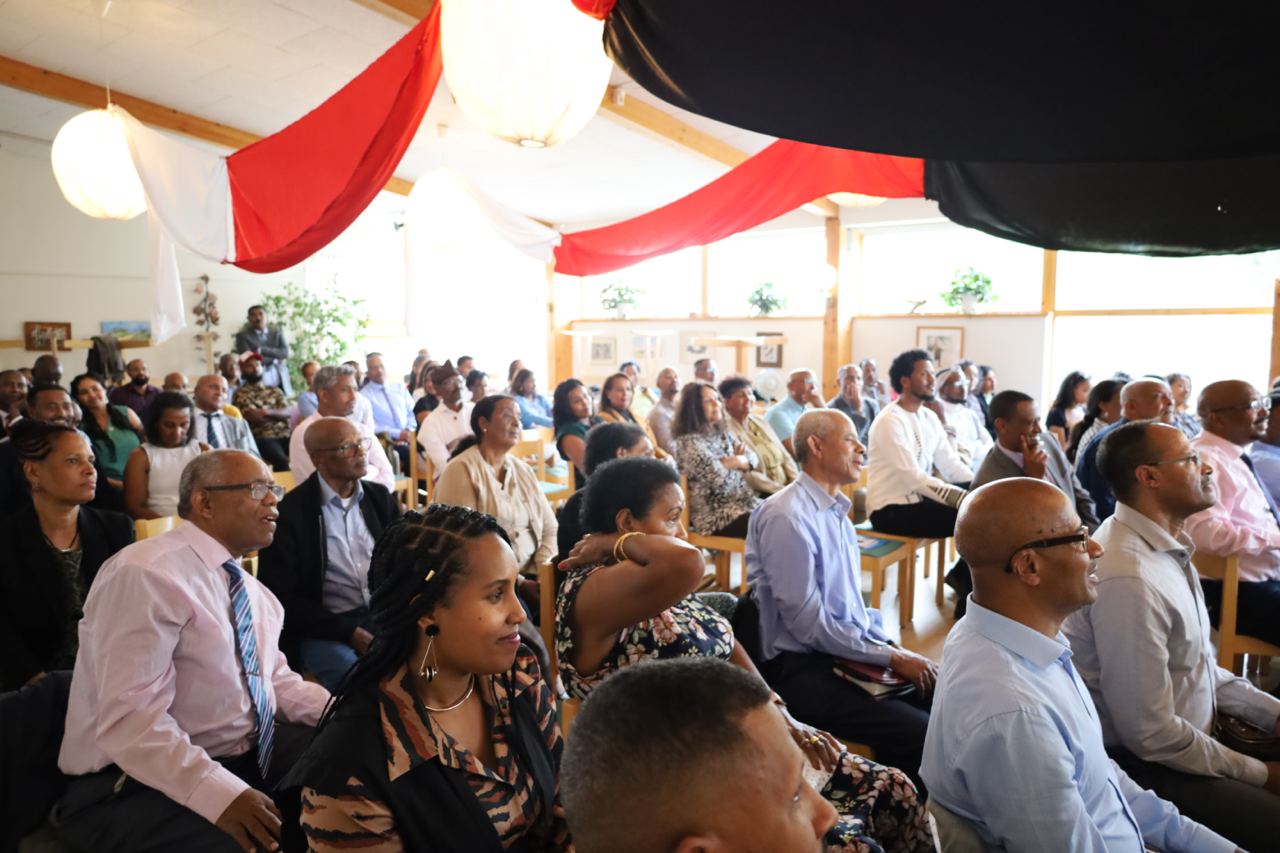
Bergen
Waldaa Warra Wangeelaa Oromoo Bergen
Waldaa Warra Wangeelaa Oromoo Bergen
Norway
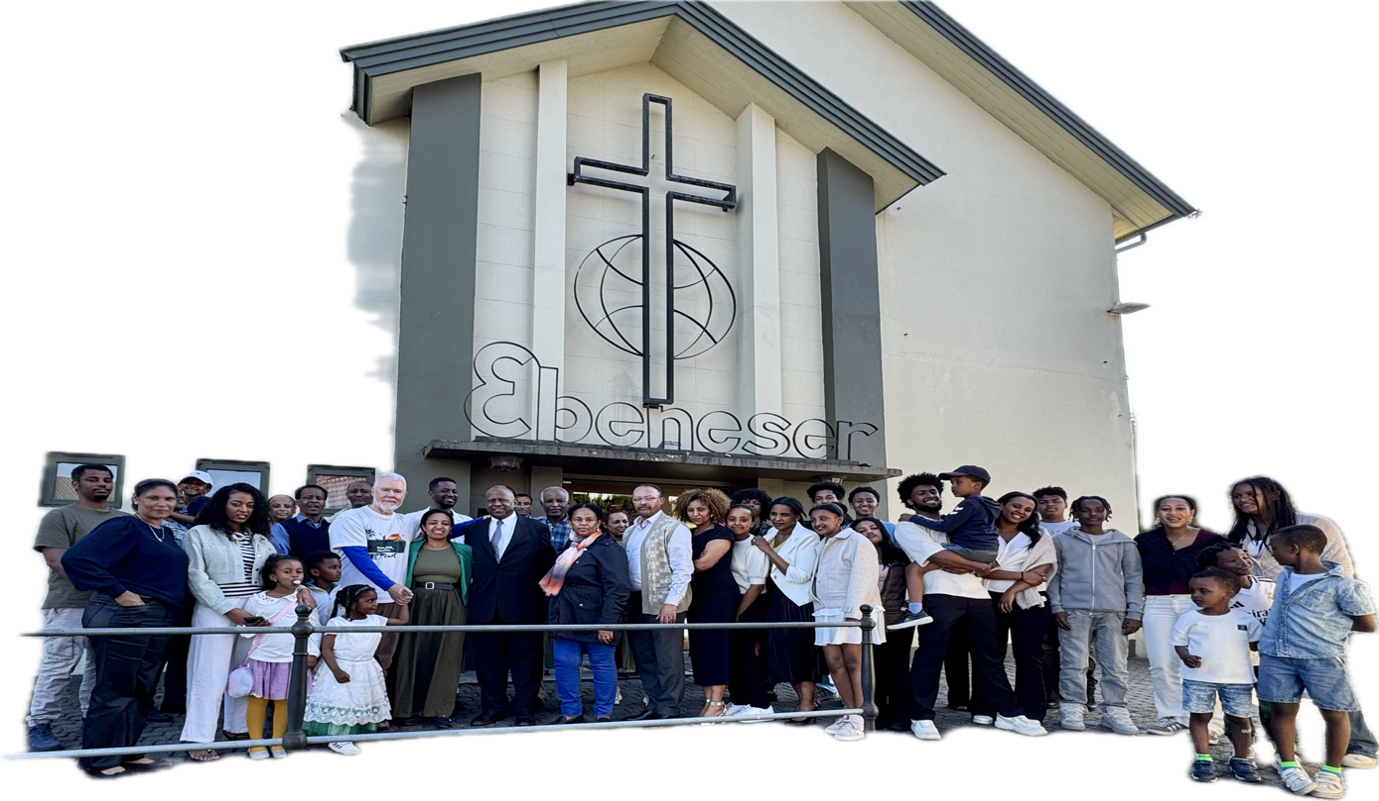
The Oromo Evangelical Church in Bergen began worshipping around 2000 and was formally registered in 2011.
Uniting Oromo believers across Europe in faith, fellowship, and service
The Union of Oromo Evangelical Churches of Europe (UOECE) is an umbrella organization connecting Oromo evangelical congregations across Europe. We exist to unite, strengthen, and serve Oromo believers living in the diaspora.
To unite Oromo evangelical churches in Europe, support spiritual growth, and serve our communities in the diaspora.
A spiritually vibrant, united, and impactful Oromo evangelical community across Europe.
11 member churches across 5 countries in Europe, united in faith and purpose.
Our family of congregations spanning 9 cities across Europe
Waldaa Warra Wangeelaa Oromoo Bergen
Norway
The Oromo Evangelical Church in Bergen began worshipping around 2000 and was formally registered in 2011.
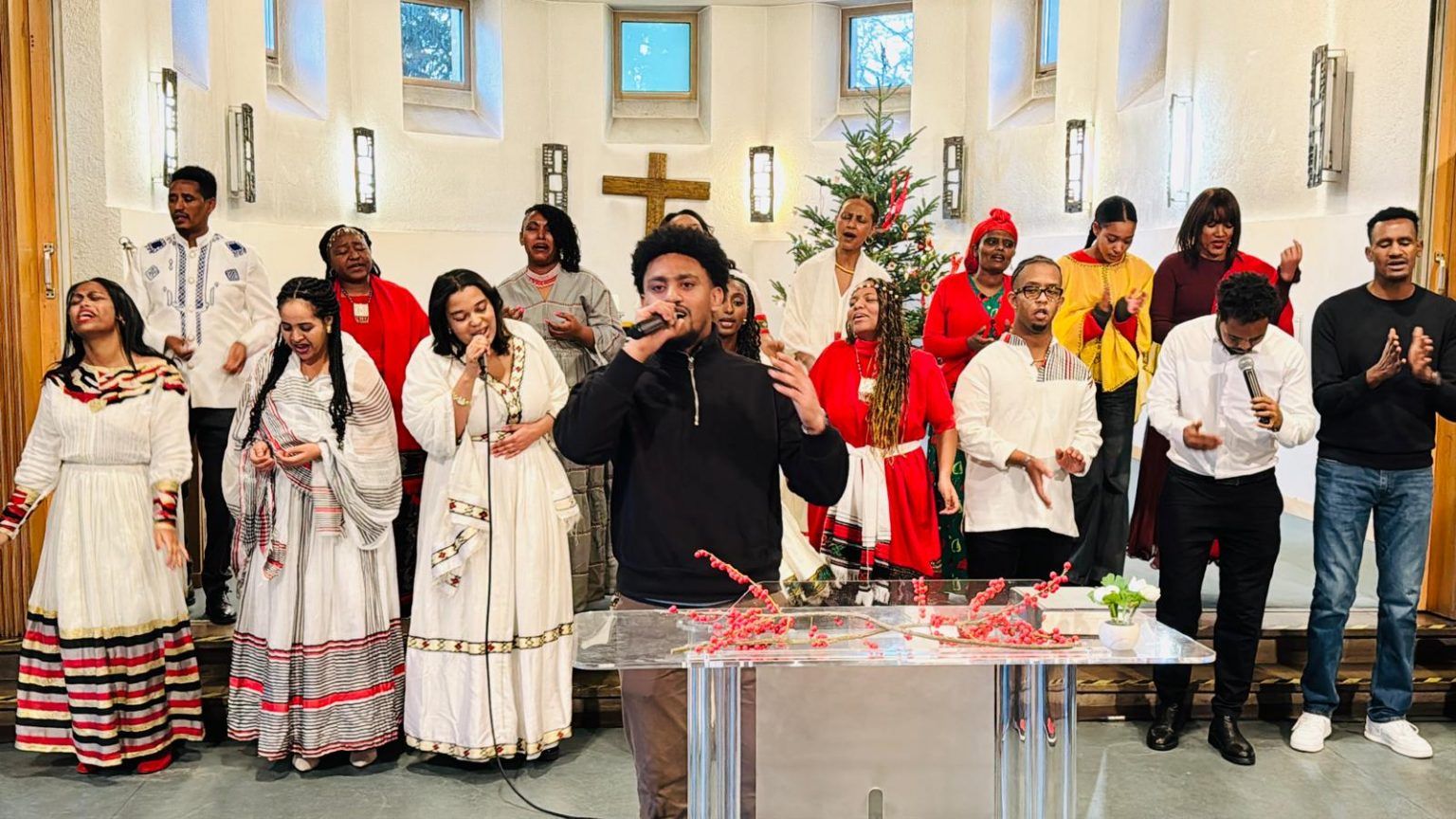

WWW Oromoo Frankfurt
Germany
Oromo Evangelical Church of Frankfurt/Rhine-Main The Oromo Evangelical Church of Frankfurt/Rhine-Main serves Oromo Christians throughout the Frankfurt and Rhine-Main region of Germany, providing a spiritual home where believers worship in Afan Oromo while nurturing their Christian faith, cultural heritage, and community life. The church, officially known as Evangelische Oromogemeinde Frankfurt/Rhein-Main (Waldaa Warra Wangeelaa Oromoo Frankfurt/Rhein-Main – WWWOFRM), is organized through two complementary entities: The Supporting Association (Oromo Evangelische Christen Gemeinschaft Frankfurt am Main e.V.), a registered non-profit association (eingetragener Verein, e.V.) established under the German Civil Code (Bürgerliches Gesetzbuch – BGB). The association provides the legal and financial framework to support the ministry of the congregation. The Congregation, Evangelische Oromogemeinde Frankfurt/Rhein-Main, known in Afan Oromo as Waldaa Warra Wangeelaa Oromoo Frankfurt/Rhein-Main (WWWOFRM), which is responsible for the church's spiritual life and ministry. The congregation was founded in April 1997 by Oromo Christians living in Germany, particularly in the Rhine-Main region. Based at Christuskirche Frankfurt am Main, it was established to provide worship services in Afan Oromo while strengthening Christian faith, preserving Oromo language and cultural identity, and fostering fellowship, mutual care, and integration among its members. The church's ministries include regular worship services, Sunday school, prayer meetings, Bible studies, youth ministry, and several choirs, creating a vibrant spiritual and social community for Oromo Christians in the region. WWWOFRM also plays an active role in multicultural and ecumenical ministry by organizing and participating in multicultural and ecumenical worship services. In addition, it is a member of the Internationaler Konvent christlicher Gemeinden e.V. To strengthen and sustain the congregation's ministry, the supporting non-profit association Oromo Evangelische Christen Gemeinschaft Frankfurt am Main e.V. was established in 2017. The congregation is a founding member of the Association of Oromo Evangelical Churches in Europe (TWOWWA).
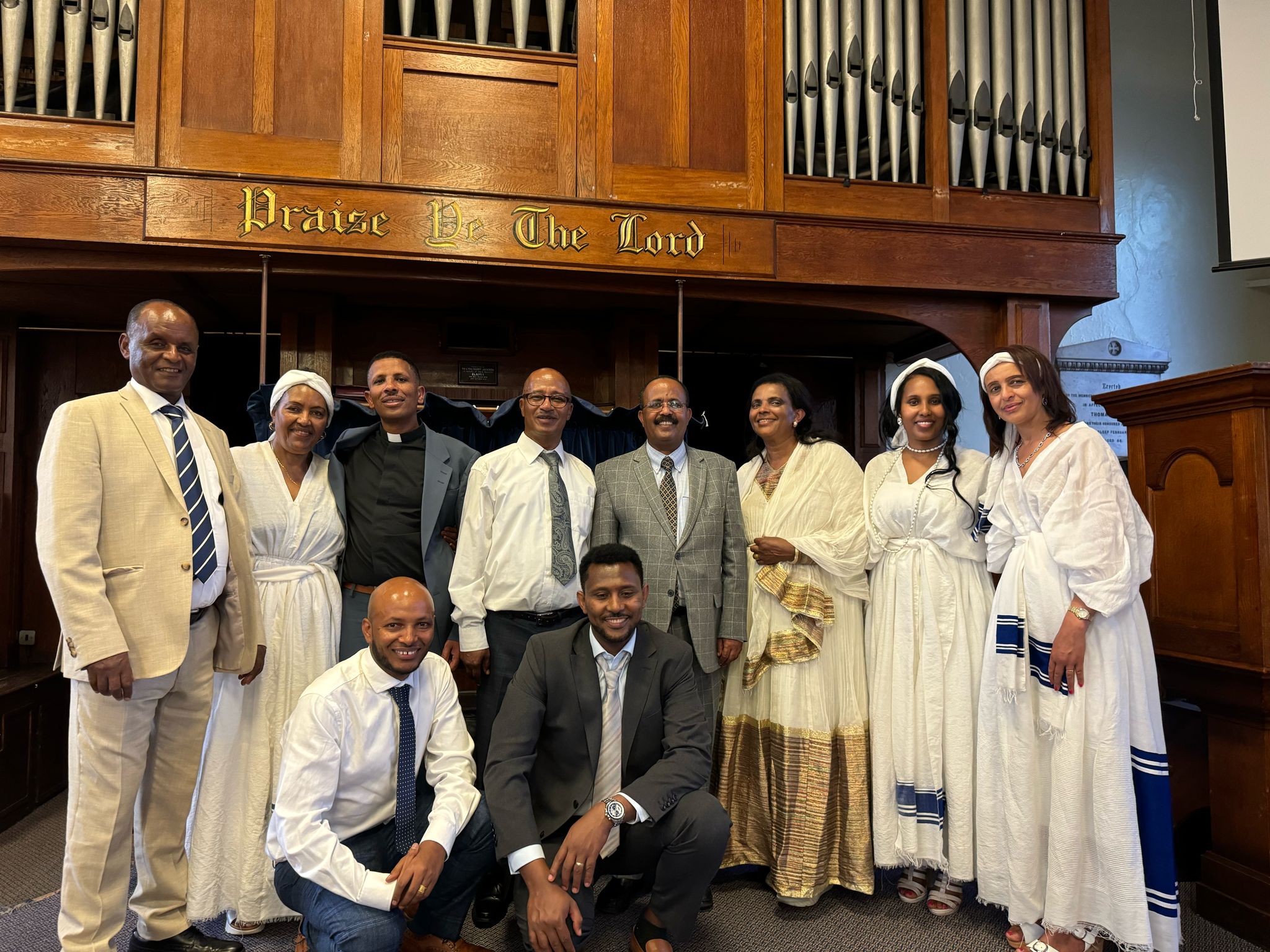
Waldaa Warra Wangeelaa Oromoo London (OECL)
United Kingdom
The Oromo Evangelical Church of London (OECL) was born in March 1995 from a small prayer and Bible study fellowship held in homes. Its first official worship service was held on 26 November 1995 under the name "Tokkummaa Kiristaanota Oromoo London" at Abbey Road Baptist Church. Since 2011, the church has been officially registered with the UK Charity Commission. What started with 33 founding members has grown to over 100 members. OECL has been a full member of UOECE from its very founding, faithfully serving the Oromo diaspora in London through worship, teaching, prayer, and community ministry.
WWW Oromoo Nürnberg
Germany
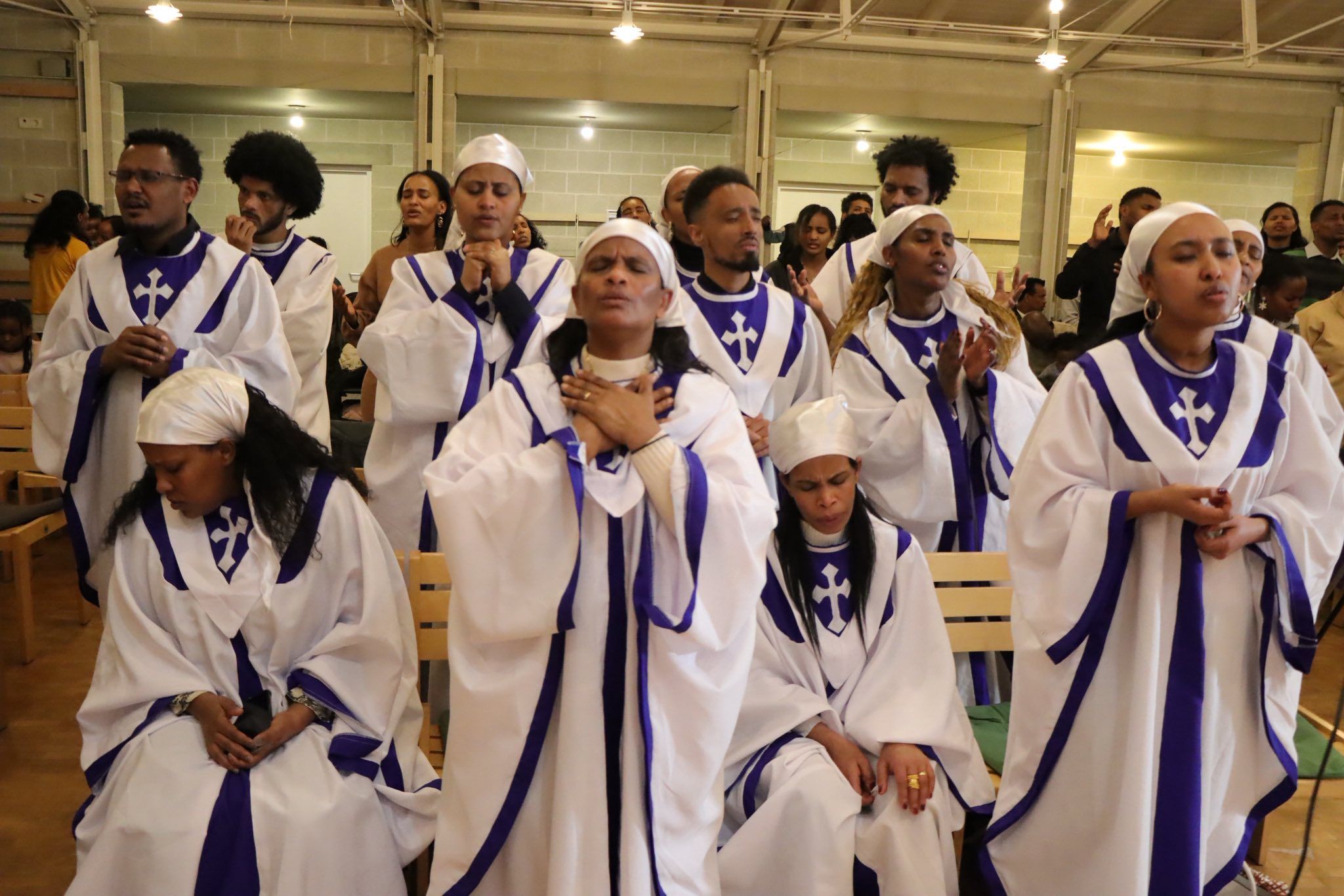
The Oromo Evangelical Church of Nuremberg (WWON) was founded in the autumn of 2014 by Oromo believers who had previously been worshiping God together within local Christian congregations in their area. The church began with five members: Pastor Mulgeta Giragn, Kuleni Jijo, Mosisa Aseffa, Bontu Olana, and Sifan Sukkessa. They started their Sunday worship services in Nuremberg at Königstrasse 64 (Caritas-Pirckheimer-Haus). Initially, the believers gathered for worship once a month on a Sunday. However, as the number of members increased, in the middle of 2015 the congregation moved its worship services to the Evangelical Lutheran Church of St. Jakob. In October 2015, during a Sunday worship service, the first church committee was elected. The committee members were Kuleni Jijo, Pastor Mulgeta Giragn, Workineh Siyum, Sifan Sukkessa, and Fekadu Fufaa. They were entrusted with preparing the church’s guidelines, administrative structure, and regulations. Accordingly, they drafted the name, constitution, and rules of the Oromo Evangelical Church of Nuremberg, which were later approved by the congregation. As the church continued to grow, with increasing membership and the birth of new children within the congregation, it established a clearer leadership structure in November 2016. Based on the Word of God, the church’s guidelines, and the needs of its members, leaders and elders were appointed to serve alongside the pastor. The first elected church elders were Fekadu Fufaa, Kumashi Moti, Desta Kebede, Alamayehu Aaga, and Dinqee Cammarra. Pastor Mulgeta Giragn and Pastor Buli Beyene continued serving as leaders of the congregation. From 2017 onward, Pastor Buli Beyene was officially appointed as the pastor of the church. The second election of elders was held in September 2018. Desta Kebede was elected as chairperson of the elders, Caalii Tesemma as secretary, Kuleni Jijo as treasurer, and Mallasa Giragn and Gelata Kare as members of the elders’ council. In the same year, the church became a registered member of the Association of Oromo Evangelical Churches in Europe (TWOWWA). Beginning in 2019, when the COVID-19 pandemic spread globally, the church, like many other Christian congregations, faced significant challenges. Among the difficulties were the lack of suitable worship facilities and government restrictions requiring churches to close temporarily. As a result, worship services were moved online through Zoom. Although the church overcame this difficult period through God’s help and remained strong, when the government allowed churches to reopen, the St. Jakob Church was no longer able to provide a suitable worship space. Therefore, the congregation was required to find a new location. In 2021, worship services resumed at a new facility located at Pillenreuther Str. 13, Nuremberg. Although this transition created some challenges and led to a small decline in participation, the church has continued to stand and serve through God’s grace and support.
Waldaa Warra Wangeelaa Oromoo Oslo
Norway
The Oslo Oromo Evangelical Church was established in 1997, when a small group of people began meeting in a private home for prayer and Bible study. As the number of believers gradually increased, the group outgrew the home setting, rented a meeting hall, and started holding regular weekly gatherings. In 2003, the church was officially registered with the government and received legal recognition.
WWW Oromoo Stavanger
Norway
The Oromo Christian Fellowship in Stavanger has its roots steeped in a rich history of community, faith, and fellowship. Established around 1999/2000, the journey began as a humble Bible study group where Christian friends gathered bi-weekly at the home of Mr. Girma Jimaa. This intimate setting was a sanctuary for spiritual growth and communal support, fostering connections among members of the Oromo community. As the group flourished, it evolved into a vibrant prayer program that took place every two weeks on Saturdays at the Free Church in Bryne. This program offered a dedicated space for prayer, reflection, and collective worship, strengthening the bonds among participants and reinforcing their commitment to their faith. From 2015 to 2017, the fellowship saw a remarkable shift in its activities, transitioning to weekly gatherings. Every Saturday became a day of renewal, with one Saturday devoted to morning prayers and the following to afternoon worship. This increase in frequency allowed for deeper engagement and an enriched communal life. In November 2017, the fellowship underwent another transformation as it shifted its meetings from Saturdays to Sundays, providing members with a dedicated time to come together and grow spiritually in an atmosphere of praise and thanksgiving. Today, the Oromo Christian Fellowship is home to nearly 50 members, along with many active non-member participants who enrich our community. Embracing the spirit of diaspora churches, our fellowship is a multi-denominational gathering where individuals from various backgrounds unite in a true spirit of fellowship. In 2020, the Oromo Christian Fellowship officially registered with the Brønnøysund Register Centre, marking a significant milestone in its history. Our fellowship proudly identifies not only as a local assembly but also as an active member of the Union of Oromo Evangelical Churches in Europe and the Union of Oromo Evangelical Churches in Norway. Throughout the years, the Oromo Christian Fellowship has become a beacon of hope and unity for its members, continually inspiring them to deepen their faith and support one another in their spiritual journeys. As we reflect on our past, we look forward to a future filled with opportunities for growth, outreach, and service to the broader community. Join us as we continue our journey of faith together!
Your giving helps us unite and serve Oromo evangelical communities across Europe
We'd love to hear from you